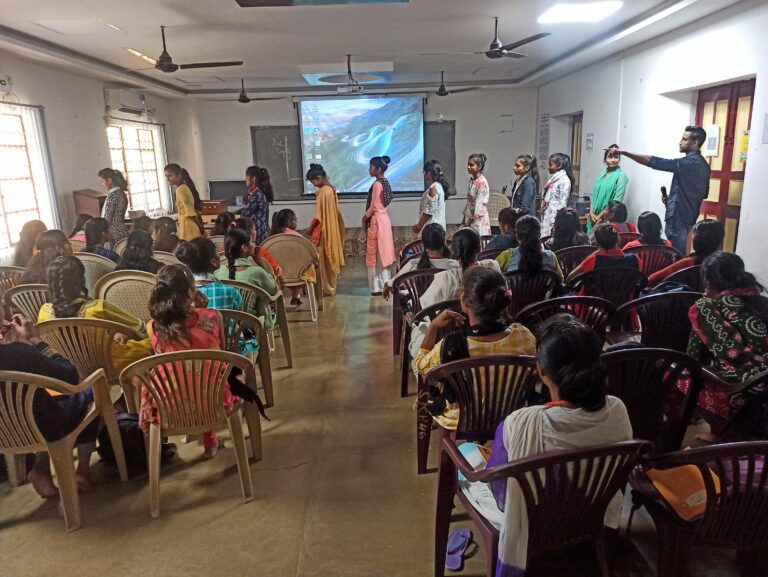
Focusing on girl child education and re-enrollment of dropout children, with special attention to those from economically and socially disadvantaged backgrounds.
Bihar Water Development Society (BWDS) actively works to ensure access to quality education for marginalized and disadvantaged children, particularly those affected by poverty and systemic inequities. By establishing supplementary education centers and engaging communities, BWDS enhances educational outcomes and promotes holistic development for children.
Ensuring education for dropout, non-school-going, and poor children from Dalit and Mahadalit communities through supplementary education centers.
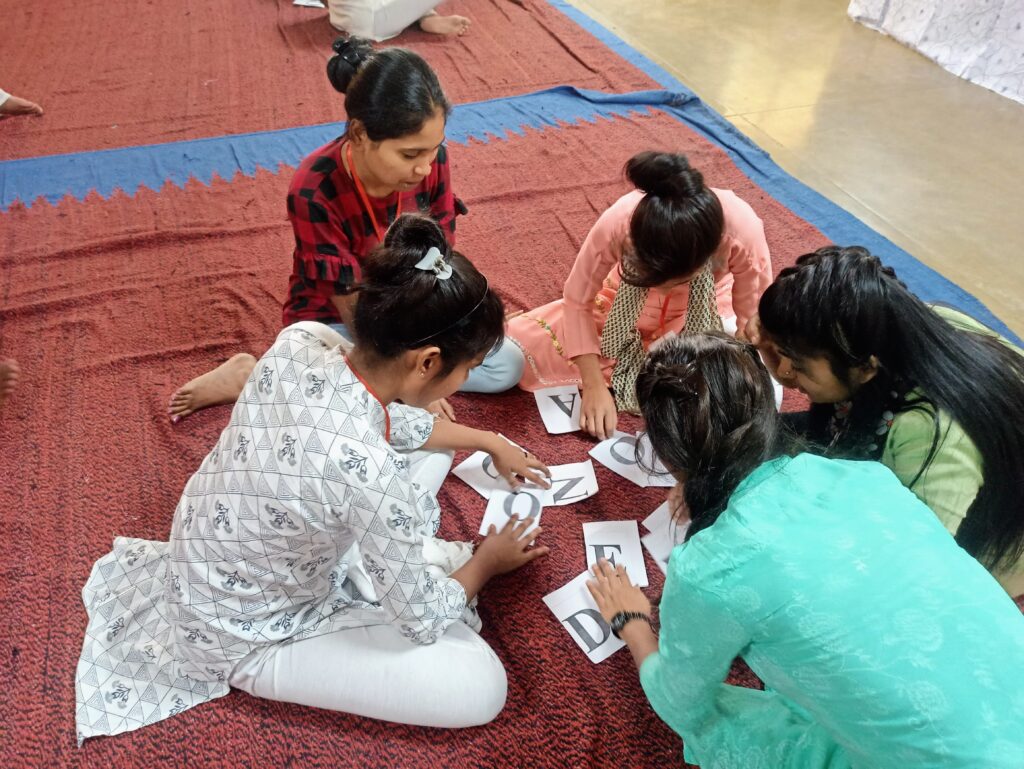
Providing literacy, numeracy, extracurricular activities, and life skill development to enhance overall growth and confidence among children
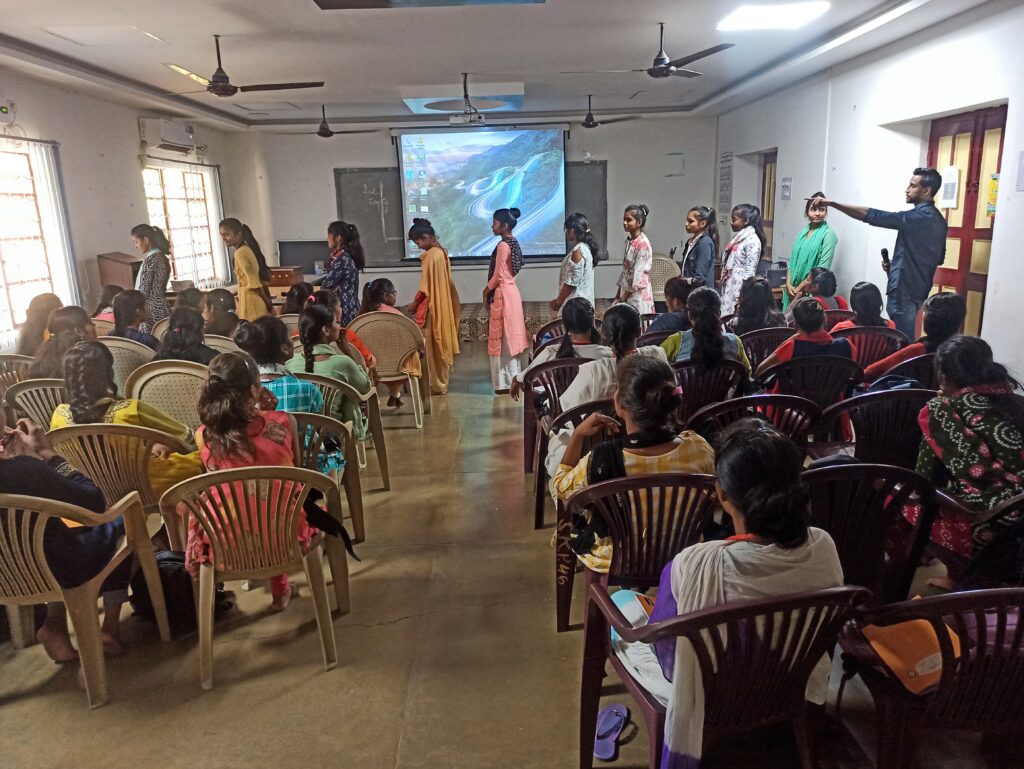
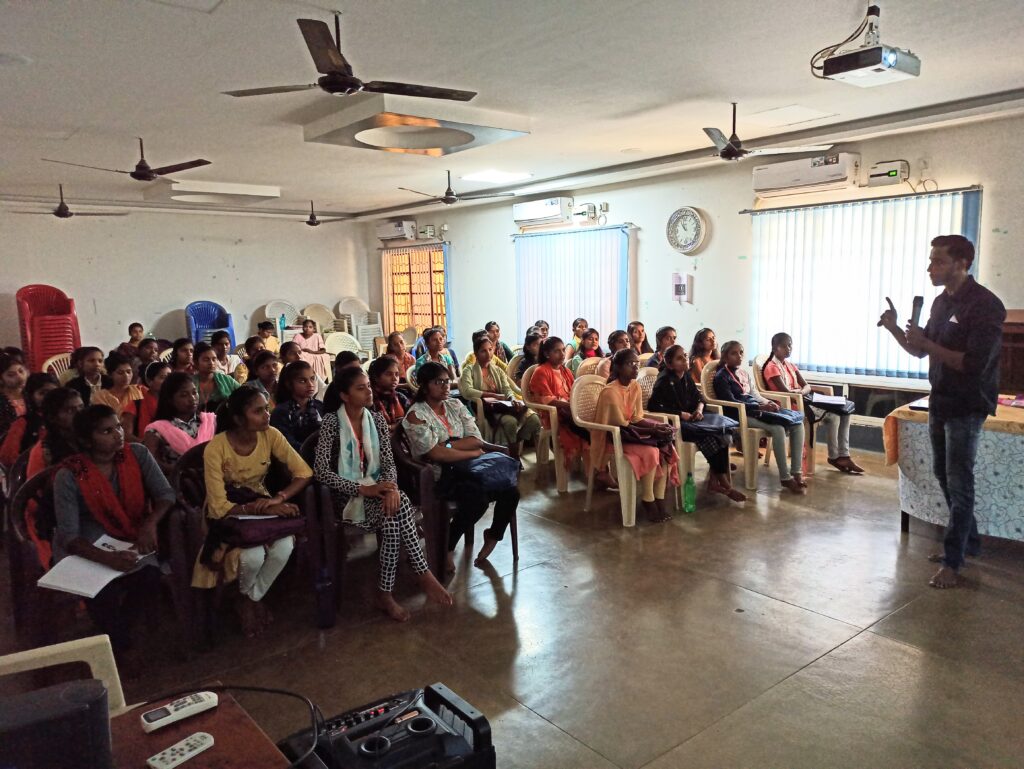
Conducting parent-teacher meetings, awareness campaigns, and community initiatives to promote the importance of education and strengthen family involvement.
Focusing on girl child education and re-enrollment of dropout children, with special attention to those from economically and socially disadvantaged backgrounds.
Introduction: This project targets dropout, non-school-going, and poor children from Dalit and Mahadalit communities across 28 villages in Nalanda and Patna districts. Through 28 Supplementary Education Centers, it provides literacy, numeracy, extracurricular activities, and life skill training to 1,120 children. The project also conducts parent-teacher meetings, awareness campaigns, and community engagement to emphasize the importance of education and social values.
Impact:
Introduction: The SMILE-II Project, a significant initiative of Bihar Water Development Society (BWDS), is being implemented across 14 blocks in 7 districts of Bihar. These regions are predominantly backward and suffer from socio-economic challenges such as high levels of poverty, illiteracy, lack of sustainable livelihoods, and significant out-migration of male members of households. The Life Education Development (LED) Centres focus on educating children, especially girls, and re-enrolling those who have dropped out of school. These centres provide supplementary education to children from marginalized communities, helping them improve academically and gain skills for future livelihood opportunities. The LED centres offer a range of activities, including regular classes, exams, and extracurricular activities to engage children and enhance their learning outcomes.
Impact:
10 LED Centres have been established with 402 children enrolled as of October 2022.
55% of the enrolled children are girls.
277 children (68.90%) regularly attend classes.
95% of children participated in quarterly and half-yearly exams, with 34% scoring over 75% and 61% scoring between 50-65%.
55 previously enrolled dropout children from brick kilns and other workplaces have been reintegrated into nearby government schools.
This is front side content.
This is back side content.